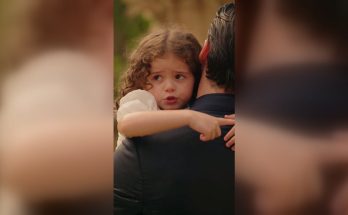
Editor’s note: This is an original fictionalized narrative inspired by a dramatized clip supplied to Daily Hubs. Names, dialogue, and circumstances are invented, and the clip’s real-world context was not independently verified.
The first thing Daniel noticed was not the argument inside the house. It was the shape at the glass door: Elena, one hand braced against the frame and the other resting protectively over her belly, standing alone on a winter patio while the temperature fell.
Only minutes earlier, the family gathering had looked ordinary. Coats were piled near the entrance, dinner warmed in the kitchen, and polite conversation covered a tension nobody wanted to name. Claudia had been needling Elena all evening—questioning her choices, correcting her memories, and treating every quiet answer as an invitation to push harder.
Then the disagreement moved toward the patio. The door shut. The lock turned.
A room full of people who heard nothing
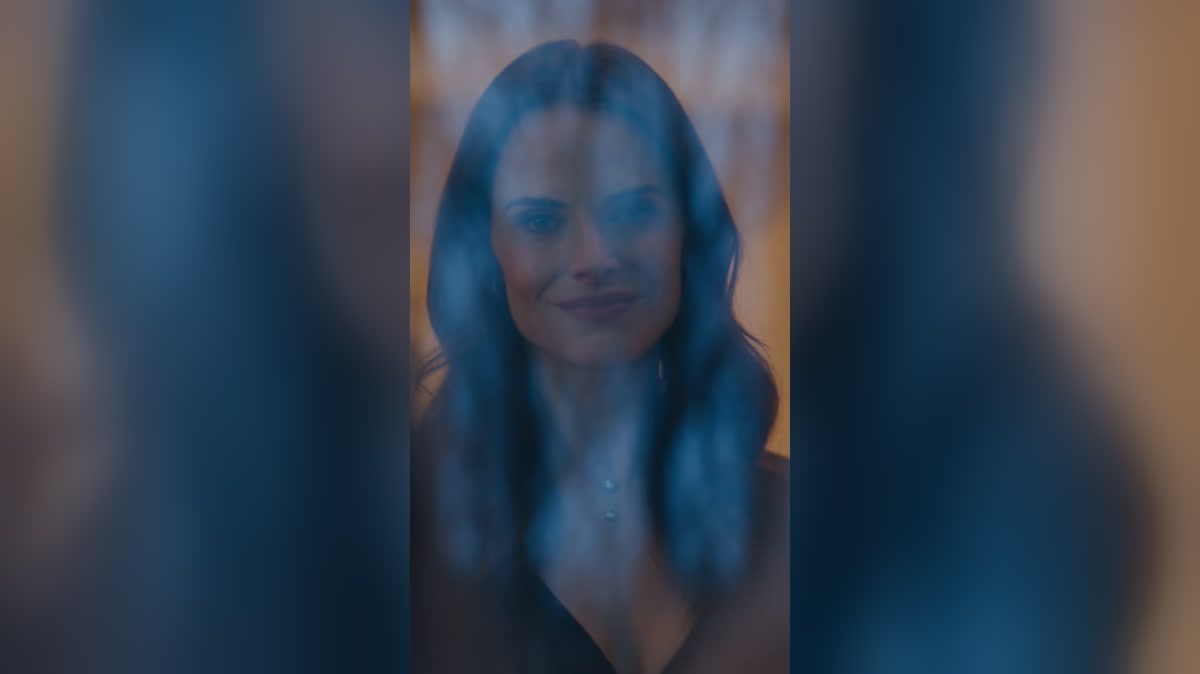
What made the moment frightening was not noise; it was silence. Through the glass, Elena could see the warm room continuing behind Claudia. She knocked once, then twice. Her breath clouded the pane. She tried not to panic, knowing that fear would make the cold feel sharper.
Inside, several guests had wandered into other rooms. Claudia acted as if nothing unusual had happened. That is how cruelty often survives in a crowded place: it depends on confusion, hesitation, and the assumption that someone else will step in.
The one person who paid attention
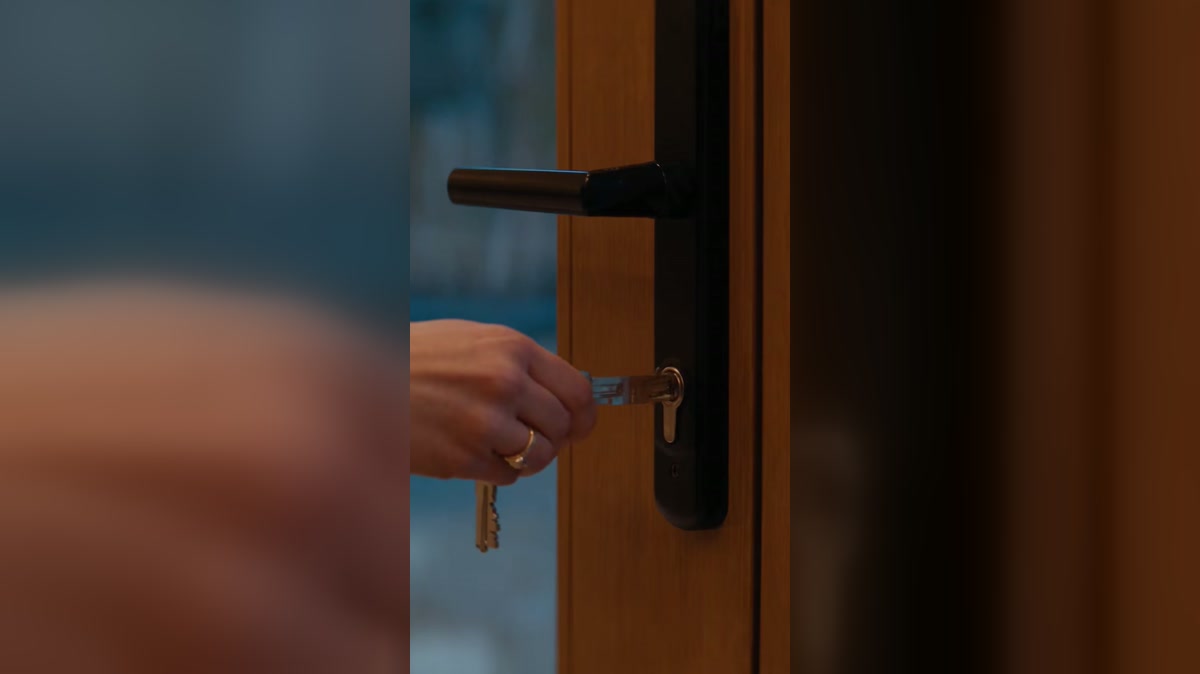
Daniel returned from the hallway and caught movement beyond the glass. He did not waste time debating what he had seen. He unlocked the door, wrapped Elena in his coat, and guided her inside slowly. He asked simple questions: Was she dizzy? Could she feel the baby moving? Did she want medical help?
Those questions mattered because they gave Elena control at a moment when someone had tried to take it away. He did not demand an explanation or turn her fear into a spectacle. He focused first on warmth and safety.
The instant the story changed
When Daniel carried a chair toward the patio and smashed it against the already cracked outer pane, the room finally froze. In this fictional telling, the action was not presented as revenge. It was the dramatic signal that denial was over: everyone could see the barrier that had kept Elena outside, and nobody could pretend the moment had been harmless.
He then placed himself between Elena and Claudia, not to threaten anyone, but to make the boundary unmistakable. Elena would not be isolated again. A relative called a medical advice line. Another found blankets and warm water. Someone quietly began writing down what had happened.
Why witnesses matter
Abusive behavior thrives when observers minimize it as “family drama.” A useful witness does four things: notices, interrupts, supports the person at risk, and preserves the facts. That does not require a grand speech. It may mean opening a door, staying beside someone, calling emergency help, or refusing to let the incident be rewritten later.
Elena’s strongest moment came after the immediate danger passed. Seated safely, she told the room in a steady voice that she was leaving. She would decide when and whether future contact happened. Her boundary was not a punishment; it was protection.
A different kind of ending
By morning, Elena was staying with people she trusted. The medical check found no immediate danger, and a longer support plan was already taking shape. Daniel did not call himself a hero. He simply said he had looked through the glass and believed what he saw.
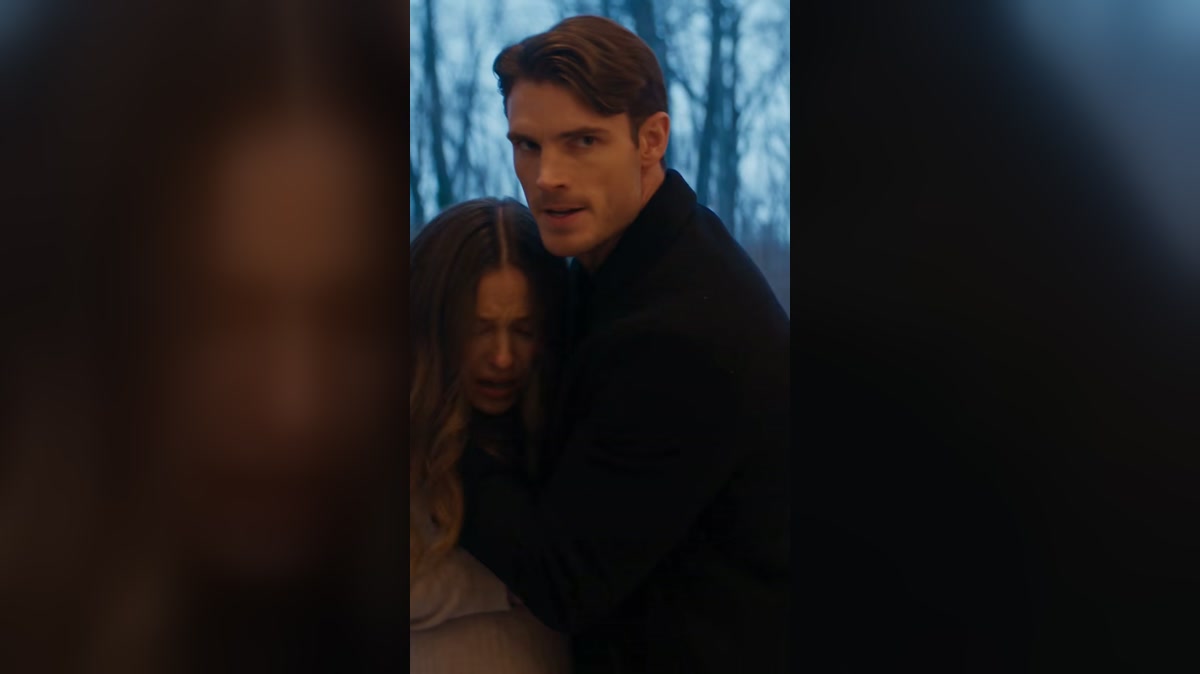
The lasting lesson was not about a broken window or a dramatic confrontation. It was about attention. In a house full of people, one person chose not to look away—and that choice returned warmth, safety, and a voice to someone who had been left outside.