It was Mrs. Abernathy’s fault, and she never forgave herself.
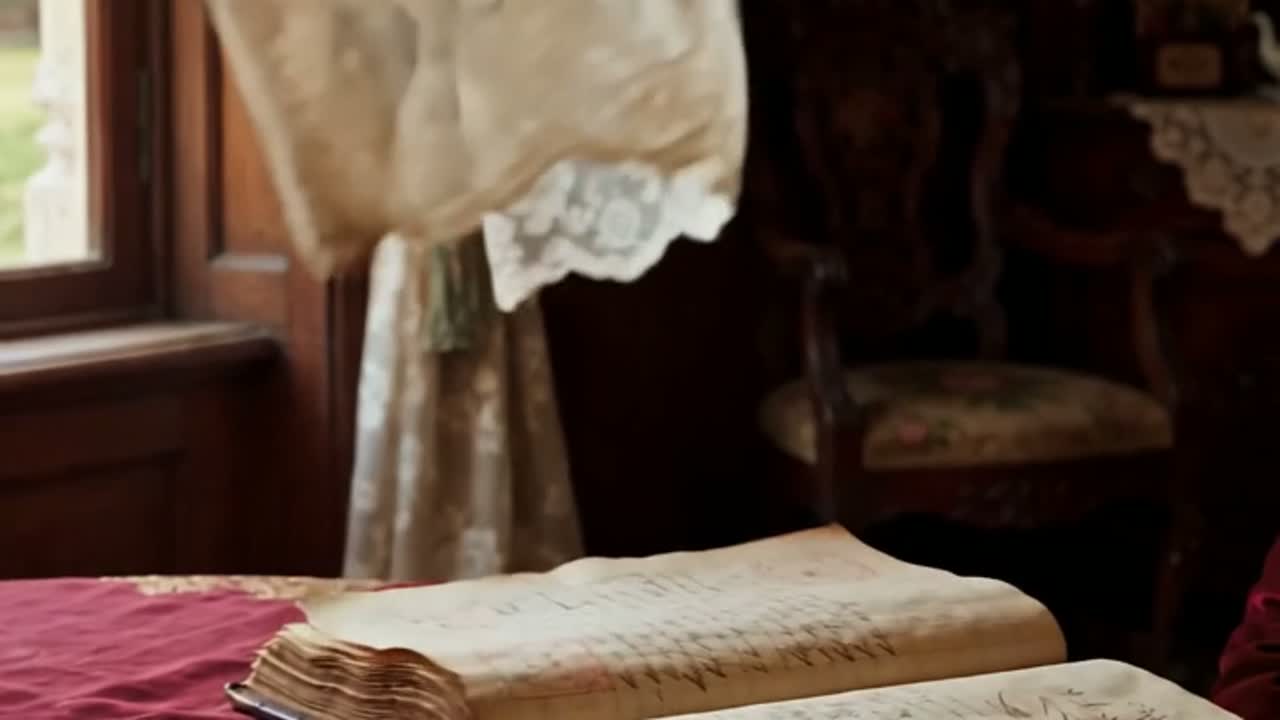
A gust through the open window caught the ledger where Hale had left it on the parlor table. Pages fluttered — years of names, sums, paid in full — and settled open on the last page.
She didn’t mean to read it. But the name at the top stopped her heart:
June Hale — for her future.
And below it, a sum so large it made no sense against everything she knew of the quiet man’s beans-and-small-rooms life. Below that, in shakier hand: Tommy — ?
She told the preacher. The preacher told his wife. By supper, the town knew: Jonas Hale was holding back a fortune — his dead daughter’s future — while asking them to pool their pennies.
The mood turned overnight. Gratitude curdled into something uglier. He’s been lying. He’s rich. We’re the fools.
Tommy heard it at the general store and ran all the way to the boarding house, tears cutting dust on his face. "Is it true, Mr. Hale? Are you rich?"
Hale looked at the boy — really looked — and did something he’d never done: he opened the ledger to the last page and turned it toward him.
"Read the name."
"June Hale."
"My daughter. She’s twelve now. Lives with my sister in St. Louis." His voice was level, but his hand wasn’t. "That money is everything I have left of the life I promised her. Her schooling. Her wedding. Her safety if I die on this road."
"Then why—" Tommy’s voice cracked. "Why not spend it on the town?"
"Because a man who spends his daughter’s future isn’t generous, Tommy. He’s reckless. And recklessness is what banks count on." Hale closed the ledger gently. "I give what I can. I keep what I must. That’s not lying. That’s arithmetic."
"But they’re saying—"
"I know what they’re saying." Hale stood. "Come on."
He walked Tommy to the bank — in daylight, past every staring window — and asked to see Vance. In the mahogany office, with the whole town’s gossip pressing at the glass, Hale laid the ledger open on the desk.
"Read it," he told Vance. "All of it. Then tell this town I’m a liar."
Vance read. Page after page of burned debts, accounted to the cent. And the last page — June’s future, untouched.
The banker looked up, and for the first time, something like respect moved across his face. Or fear. It was hard to tell them apart.
To be continued — Part 7: the dawn the bank’s men came.
