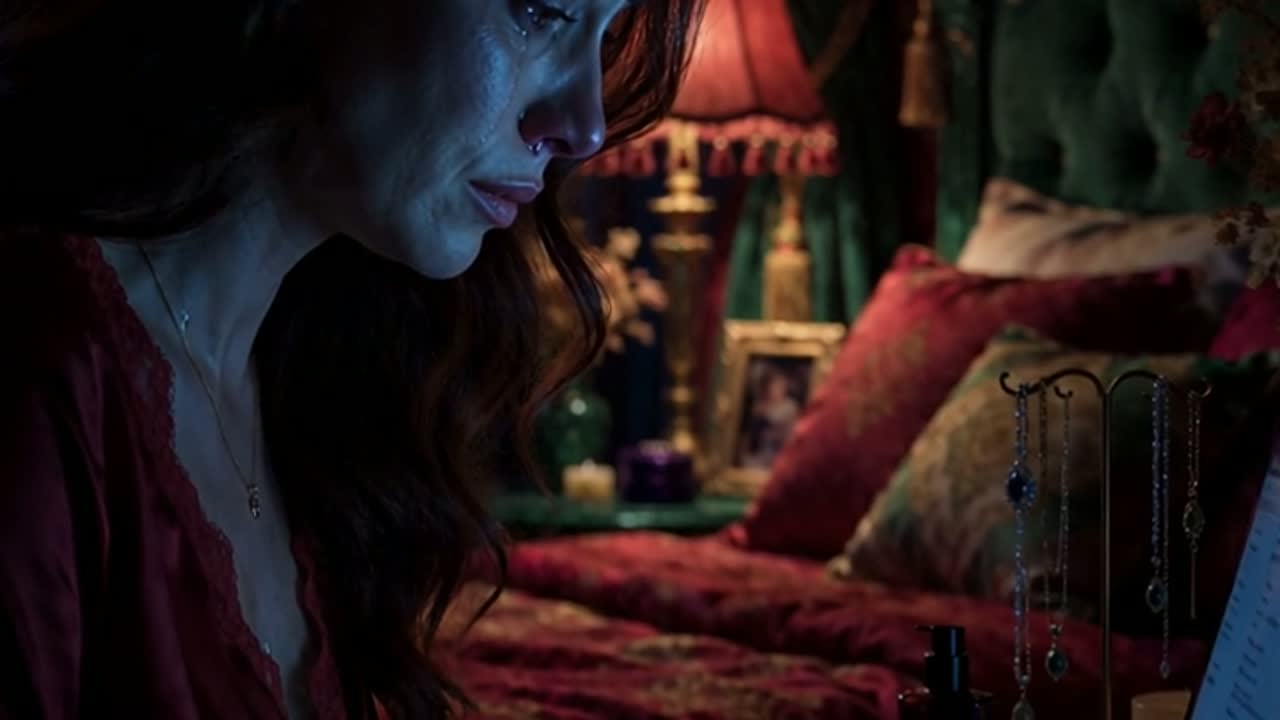
The Night I Hit Send — The Rest of the Story (Website)
Part 1 of this story was posted on our Facebook page — Diana’s 2:47 a.m. message. This is what happened next.
Victor and I met at a charity gala eight years ago. He was charming without being loud, ambitious without seeming cruel. When he learned my grandmother had taught me to read balance sheets before I could drive, he laughed and said, "You understand money better than half the men I know."
My grandmother, Eleanor Vance, had built a quiet fortune in commercial real estate. Before she died, she placed a portfolio in my name — managed by trustees, documented to the cent — and left me one handwritten letter I kept in a safe at my parents’ house:
Diana — one day you may love someone who feels like home. I hope you do. But never hand another person the keys to your peace. Love them freely. Trust them wisely. If your independence frightens them, pay attention. — Grandma
When Victor and I married, I never told him the full extent of it. Not to deceive him — I simply didn’t believe a marriage had to begin with a full financial strip-search. We signed a prenup. My property stayed mine. He said, "I married you, Diana. Not your portfolio." I believed him.
For the first years, we were happy. Then his father died, Victor took on more at Sterling Dynamics, and the late nights began. Then Vivian Cross was hired — brilliant, polished, always beside him at events where I had once stood. "She understands the project better than you do," he told me once, not looking up from his phone. It wasn’t dramatic. That was what made it hurt — he said it like my place beside him had been temporary.
I swallowed it. For two years, I swallowed all of it. I called my silence patience. I called my loneliness understanding. I called his indifference a difficult season.
Sitting in my mother’s kitchen that morning, watching her refill my tea, I finally understood: a marriage can survive difficult seasons. It cannot survive one person being the only one willing to live inside it.
The attorney’s name was Marcus Hale. I’d consulted him eighteen months earlier — quietly, the way you buy an umbrella before it rains. That morning he sent Sterling Dynamics a formal records-preservation request regarding Victor’s use of company resources and travel. By noon, the board chair wanted a meeting. By one, Victor discovered my message had been screenshotted across the entire company.
He called me twenty times. Then he called my father.
My father answered, because he believed in letting people reveal who they were. "Victor," he said calmly.
"Where is Diana?"
"She’s safe."
"I need to speak with my wife."
"Then you should have spoken to her," my father said, "when she was still trying to speak to you."
There was a long silence. Then Victor said, very quietly, "Tell her… tell her I’m sorry."
My father looked at me. I shook my head — not in anger. There was nothing left to be angry with. Grief, yes. But the anger had burned itself out somewhere around 2:47 a.m.
"She knows," my father said, and hung up.
The divorce was settled in four months. The prenup held. My grandmother’s portfolio was never touched — it didn’t need to be. Vivian resigned within the year; Sterling’s board had questions about expense reports that had nothing to do with me.
People ask if I regret the message. I don’t. It wasn’t revenge — it was a period at the end of a sentence I’d been writing for two years.
Last week, I visited my grandmother’s grave. I told her she was right about everything — except one thing. She wrote, "If your independence frightens them, pay attention."
I paid attention, Grandma. Finally.
And I have never slept better.
— END —
She stopped calling it patience. She started calling it freedom.
