Editor’s note: This is an original fictionalized narrative inspired by a dramatized clip supplied to Daily Hubs. Names, dialogue, and circumstances are invented, and the clip’s real-world context was not independently verified.
Oliver had worked on the little wooden house for nearly a month. The walls were cut from craft sticks, the roof was painted by hand, and one tiny paper lamp glowed through a window when he pressed a hidden button. It was not perfect, but every uneven edge carried a decision he had made himself.
At the garden reception, he placed it carefully on the table and waited for his father, Nathan, to see it. Valerie arrived first. She examined the model, called it childish, and tipped a pitcher of iced tea over the roof.
A gift cannot be measured by its materials
The tea soaked through the paper and loosened the glue. Before Oliver could reach it, Valerie pressed a heel into the collapsed side. The model broke beneath her shoe.
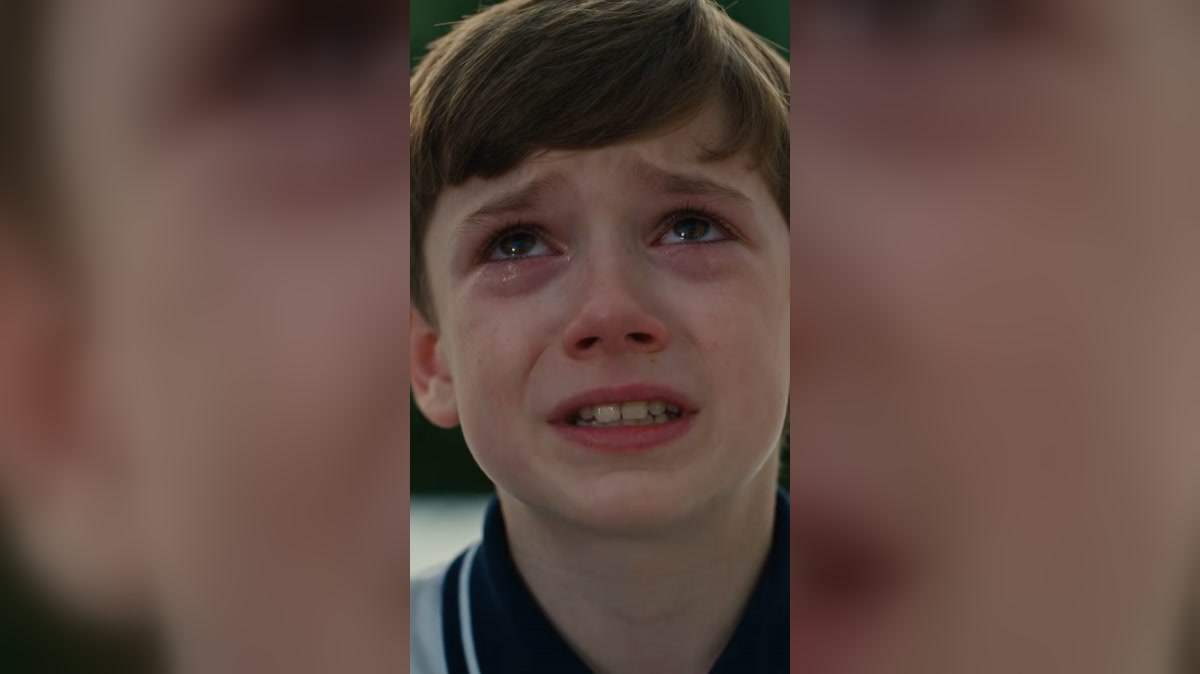
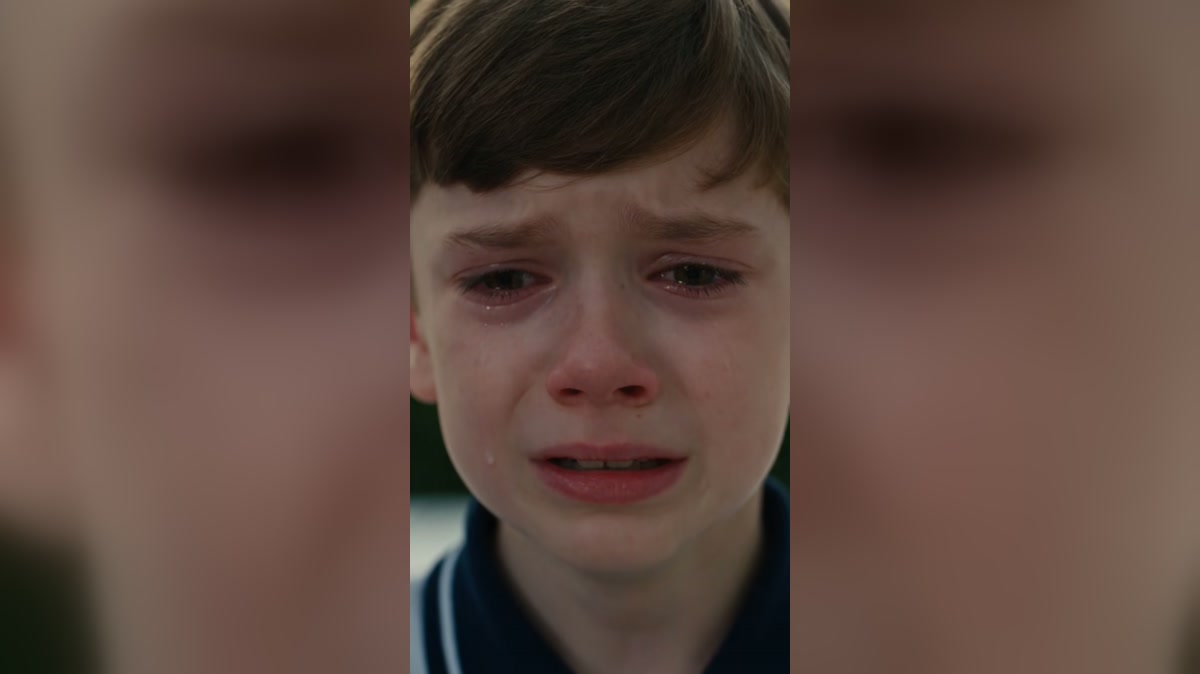
Oliver’s face crumpled. To everyone else it was a pile of inexpensive craft materials. To him, it was proof that he could imagine something and build it with his own hands.

His father did not tell him to be tough
Nathan found Oliver beside the table, trying not to cry. He did not say the familiar words adults sometimes use when they are uncomfortable with a child’s pain. He did not tell him it was “just a toy.” He crouched, looked at the broken house, and asked what it was meant to be.
Oliver explained that it was a home with a light that never went out. He had built it for Nathan’s new office so his father would remember to come home for dinner.
The truth changed the room
Nathan stood and told Valerie to leave. His voice remained low, but there was no uncertainty in it. Humiliating a child and destroying his work would not be dismissed as a joke.
Then he turned back to Oliver. Together they collected every salvageable piece. Other guests joined them: a caterer brought paper towels, an architect offered fast-drying glue, and a teenager found a clear box to keep the broken parts safe.
Repair became part of the design
The next weekend, Nathan and Oliver rebuilt the house. They did not hide every crack. Instead, they reinforced the damaged wall with thin brass strips and placed a small plaque beside it: “Home is where people protect what matters.”
The new model was stronger, but the point was not that every broken thing becomes better. Some harm cannot be made beautiful. What mattered was that Oliver’s work was taken seriously and that an adult used his authority to protect rather than minimize.
The light stayed on
When the repaired house reached Nathan’s office, its tiny lamp still worked. Each evening, he switched it on before packing his bag. The uneven glow reminded him of a promise more important than any meeting: be present, listen closely, and never let someone else define the value of a child’s effort.

Oliver eventually built other models, larger and more precise. But the little damaged house remained his favorite. It was the first project that showed him two things at once: his hands could create something meaningful, and the people who loved him would stand beside that meaning when someone tried to destroy it.